Maison > Nouvelles > The Metal Gear Solid (MGS) timeline is complex and non-linear, both in terms of story chronology and release order. To fully appreciate the narrative, themes, and character development, it's important to understand the correct play order—which matches the in-universe chronological timeline (from earliest to latest events), not the release order. Below is the officially recognized Metal Gear Solid Timeline (Play Order Guide) based on events in the series, as confirmed by Konami and Hideo Kojima’s statements. 🕰️ Correct Chronological Play Order (In-Universe Timeline) Note: This order reflects the timeline of events, not when games were released. It ensures you experience the story as it unfolds in the world of Metal Gear. 1. Metal Gear Solid: Peace Walker (2010) Year: 1974–1975 (main events) Why first? This game is set before the original Metal Gear Solid (1998), and it explores the origin of the "Big Boss" mythos and the creation of the private military force Outer Heaven. Key Themes: Origins of Big Boss, war, ideology, and the concept of "the soldier's path." Note: Peace Walker is a direct prequel to Metal Gear Solid 2: Sons of Liberty and Metal Gear Solid 4: Guns of the Patriots, and it's essential for understanding the full story arc. 2. Metal Gear Solid 3: Snake Eater (2004) Year: 1964 Why second? This game takes place before Peace Walker, but it's a prequel to the entire series. Key Themes: The birth of Big Boss (Naked Snake), the rise of the "Big Boss" legend, and the creation of the global spy network. Why not play first? Because Peace Walker and MGS4 reveal later character arcs and reflections on Snake’s legacy. 3. Metal Gear Solid 2: Sons of Liberty (2001) Year: 200X (exact year is 200X, but implied to be 200X–200X) Why third? This game takes place after Snake Eater and Peace Walker, but before MGS4. Key Themes: Cybernetics, AI, media manipulation, and the evolution of war into information warfare. Protagonist: Solidus Snake (in a new generation), and a new player (Raiden) takes center stage. 4. Metal Gear Solid 4: Guns of the Patriots (2008) Year: 2014 Why fourth? This is the final chapter in the story of Naked Snake (Big Boss), and it wraps up the entire saga. Key Themes: Aging, mortality, legacy, and the end of the soldier’s life. Protagonist: Old Snake (Naked Snake in his 70s), who is dying and must face his past and future. Conclusion: The final "Snake" story arc. 5. Metal Gear Solid V: The Phantom Pain (2015) Year: 1984–1986 Why last? This game takes place before Snake Eater, but it's a continuation of the story that began in Peace Walker and directly connects to Snake Eater. Key Themes: Revenge, trauma, identity, and the rise of "Big Boss" as a myth. Why not first? Because it's set in the past, but it explains the events of Snake Eater and fills in gaps about Big Boss's transformation. Note: The Phantom Pain is chronologically the last game in the timeline, but it's not a literal "end"—it's a prequel that completes the story. ❌ Important Note: Do not play the games in release order (e.g., MGS1 → MGS2 → MGS3). Doing so would break the narrative and cause spoilers. Playing in release order creates confusion because later games (like MGS4) reveal key facts about earlier characters and events. ✅ Summary: The Correct Play Order (Chronological) # Game Year Why This Order 1 Metal Gear Solid: Peace Walker 1974–1975 Sets up Big Boss's origin and the roots of the series. 2 Metal Gear Solid 3: Snake Eater 1964 The origin of Big Boss and the foundation of the legend. 3 Metal Gear Solid V: The Phantom Pain 1984–1986 Prequel to Snake Eater — explains how Big Boss became a myth. 4 Metal Gear Solid 2: Sons of Liberty 200X After Big Boss’s fall; explores new world order and AI. 5 Metal Gear Solid 4: Guns of the Patriots 2014 Final chapter of Snake’s life; full circle. ⚠️ Wait — that doesn’t make sense! The Phantom Pain is set before Snake Eater, but we’re playing it after? Yes — because The Phantom Pain is a direct prequel to Snake Eater, but it’s meant to be played after Peace Walker and Snake Eater in story structure to understand how events connect. 🧠 Clarification: Why The Phantom Pain Is Played Last (Chronologically) The Phantom Pain (1984–1986) → Snake Eater (1964) → Peace Walker (1974–1975) → MGS2 → MGS4 But chronologically, The Phantom Pain comes before Snake Eater. However, Hideo Kojima intended the MGS timeline to be experienced in the order above, because: The Phantom Pain reveals the full truth about Big Boss's transformation. It completes the story arc that began in Peace Walker and Snake Eater. You need to understand Peace Walker and Snake Eater to fully appreciate The Phantom Pain’s emotional and narrative impact. So, while The Phantom Pain is set earlier, you must play it last to experience the full emotional arc. ✅ Final Play Order (Recommended for Story Clarity) Metal Gear Solid: Peace Walker (2010) Metal Gear Solid 3: Snake Eater (2004) Metal Gear Solid V: The Phantom Pain (2015) Metal Gear Solid 2: Sons of Liberty (2001) Metal Gear Solid 4: Guns of the Patriots (2008) 🔁 This order ensures you understand the full story, see how events connect, and experience the emotional journey from Big Boss’s rise to his final legacy. 🔔 Bonus: Release Order (for comparison) MGS1 (1998) MGS2 (2001) MGS3 (2004) MGS4 (2008) Peace Walker (2010) The Phantom Pain (2015) 📌 Never play in release order unless you want spoilers and confusion. ✅ Conclusion To experience Metal Gear Solid as a cohesive, emotional, and thematically rich saga, follow this play order: Peace Walker → Snake Eater → The Phantom Pain → Sons of Liberty → Guns of the Patriots This is the officially intended timeline — the way Hideo Kojima wanted you to experience the legend of Big Boss and the end of the soldier’s world. 🔔 Pro Tip: Play The Phantom Pain last, even though it’s chronologically first. It’s the emotional climax of the entire saga. Let me know if you’d like a timeline map, character guide, or game walkthrough next!

The Metal Gear Solid (MGS) timeline is complex and non-linear, both in terms of story chronology and release order. To fully appreciate the narrative, themes, and character development, it's important to understand the correct play order—which matches the in-universe chronological timeline (from earliest to latest events), not the release order. Below is the officially recognized Metal Gear Solid Timeline (Play Order Guide) based on events in the series, as confirmed by Konami and Hideo Kojima’s statements. 🕰️ Correct Chronological Play Order (In-Universe Timeline) Note: This order reflects the timeline of events, not when games were released. It ensures you experience the story as it unfolds in the world of Metal Gear. 1. Metal Gear Solid: Peace Walker (2010) Year: 1974–1975 (main events) Why first? This game is set before the original Metal Gear Solid (1998), and it explores the origin of the "Big Boss" mythos and the creation of the private military force Outer Heaven. Key Themes: Origins of Big Boss, war, ideology, and the concept of "the soldier's path." Note: Peace Walker is a direct prequel to Metal Gear Solid 2: Sons of Liberty and Metal Gear Solid 4: Guns of the Patriots, and it's essential for understanding the full story arc. 2. Metal Gear Solid 3: Snake Eater (2004) Year: 1964 Why second? This game takes place before Peace Walker, but it's a prequel to the entire series. Key Themes: The birth of Big Boss (Naked Snake), the rise of the "Big Boss" legend, and the creation of the global spy network. Why not play first? Because Peace Walker and MGS4 reveal later character arcs and reflections on Snake’s legacy. 3. Metal Gear Solid 2: Sons of Liberty (2001) Year: 200X (exact year is 200X, but implied to be 200X–200X) Why third? This game takes place after Snake Eater and Peace Walker, but before MGS4. Key Themes: Cybernetics, AI, media manipulation, and the evolution of war into information warfare. Protagonist: Solidus Snake (in a new generation), and a new player (Raiden) takes center stage. 4. Metal Gear Solid 4: Guns of the Patriots (2008) Year: 2014 Why fourth? This is the final chapter in the story of Naked Snake (Big Boss), and it wraps up the entire saga. Key Themes: Aging, mortality, legacy, and the end of the soldier’s life. Protagonist: Old Snake (Naked Snake in his 70s), who is dying and must face his past and future. Conclusion: The final "Snake" story arc. 5. Metal Gear Solid V: The Phantom Pain (2015) Year: 1984–1986 Why last? This game takes place before Snake Eater, but it's a continuation of the story that began in Peace Walker and directly connects to Snake Eater. Key Themes: Revenge, trauma, identity, and the rise of "Big Boss" as a myth. Why not first? Because it's set in the past, but it explains the events of Snake Eater and fills in gaps about Big Boss's transformation. Note: The Phantom Pain is chronologically the last game in the timeline, but it's not a literal "end"—it's a prequel that completes the story. ❌ Important Note: Do not play the games in release order (e.g., MGS1 → MGS2 → MGS3). Doing so would break the narrative and cause spoilers. Playing in release order creates confusion because later games (like MGS4) reveal key facts about earlier characters and events. ✅ Summary: The Correct Play Order (Chronological) # Game Year Why This Order 1 Metal Gear Solid: Peace Walker 1974–1975 Sets up Big Boss's origin and the roots of the series. 2 Metal Gear Solid 3: Snake Eater 1964 The origin of Big Boss and the foundation of the legend. 3 Metal Gear Solid V: The Phantom Pain 1984–1986 Prequel to Snake Eater — explains how Big Boss became a myth. 4 Metal Gear Solid 2: Sons of Liberty 200X After Big Boss’s fall; explores new world order and AI. 5 Metal Gear Solid 4: Guns of the Patriots 2014 Final chapter of Snake’s life; full circle. ⚠️ Wait — that doesn’t make sense! The Phantom Pain is set before Snake Eater, but we’re playing it after? Yes — because The Phantom Pain is a direct prequel to Snake Eater, but it’s meant to be played after Peace Walker and Snake Eater in story structure to understand how events connect. 🧠 Clarification: Why The Phantom Pain Is Played Last (Chronologically) The Phantom Pain (1984–1986) → Snake Eater (1964) → Peace Walker (1974–1975) → MGS2 → MGS4 But chronologically, The Phantom Pain comes before Snake Eater. However, Hideo Kojima intended the MGS timeline to be experienced in the order above, because: The Phantom Pain reveals the full truth about Big Boss's transformation. It completes the story arc that began in Peace Walker and Snake Eater. You need to understand Peace Walker and Snake Eater to fully appreciate The Phantom Pain’s emotional and narrative impact. So, while The Phantom Pain is set earlier, you must play it last to experience the full emotional arc. ✅ Final Play Order (Recommended for Story Clarity) Metal Gear Solid: Peace Walker (2010) Metal Gear Solid 3: Snake Eater (2004) Metal Gear Solid V: The Phantom Pain (2015) Metal Gear Solid 2: Sons of Liberty (2001) Metal Gear Solid 4: Guns of the Patriots (2008) 🔁 This order ensures you understand the full story, see how events connect, and experience the emotional journey from Big Boss’s rise to his final legacy. 🔔 Bonus: Release Order (for comparison) MGS1 (1998) MGS2 (2001) MGS3 (2004) MGS4 (2008) Peace Walker (2010) The Phantom Pain (2015) 📌 Never play in release order unless you want spoilers and confusion. ✅ Conclusion To experience Metal Gear Solid as a cohesive, emotional, and thematically rich saga, follow this play order: Peace Walker → Snake Eater → The Phantom Pain → Sons of Liberty → Guns of the Patriots This is the officially intended timeline — the way Hideo Kojima wanted you to experience the legend of Big Boss and the end of the soldier’s world. 🔔 Pro Tip: Play The Phantom Pain last, even though it’s chronologically first. It’s the emotional climax of the entire saga. Let me know if you’d like a timeline map, character guide, or game walkthrough next!

By ZoeMar 15,2026

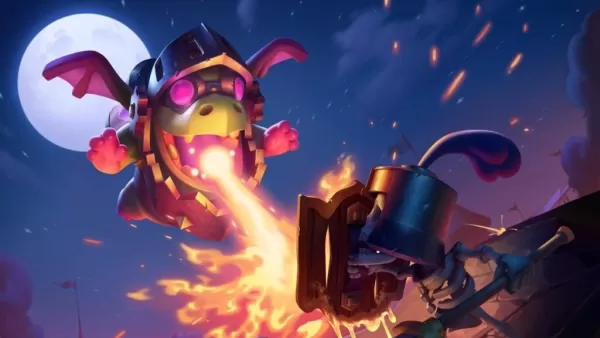
Dragon de l'Enfer Évolution Arrive dans Clash Royale Après Neuf Ans

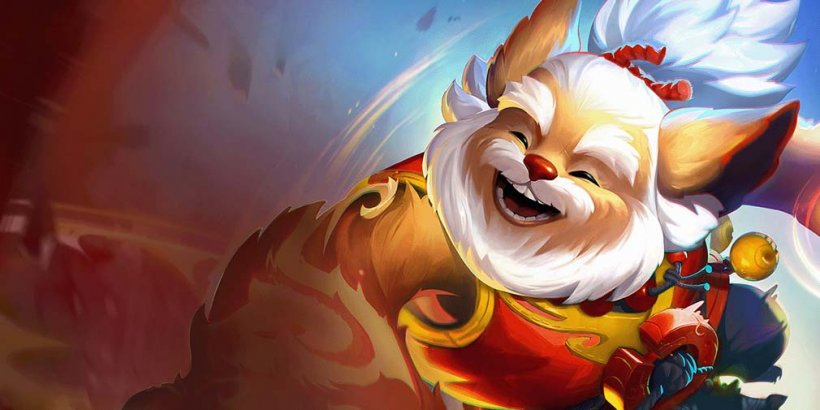
Clash Royale a enfin introduit une mise à jour majeure pour son Dragon de l'Enfer. Après près d'une décennie sans forme d'évolution, ce légendaire unité volante reçoit enfin son amélioration tant attendue. Pour célébrer cet événement, Supercell s'est associé au comique finlandais Ismo Leikola pour une présentation créative.

Un Combat Flamboyant S'Enchaîne

Après neuf ans dans le jeu, le Dragon de l'Enfer occupe le centre de la scène dans une bande-annonce spéciale de Clash Royale. Regardez Ismo Leikola interpréter le manager excentrique du dragon, négociant de nouvelles opportunités au-delà du champ de bataille.

Le dragon joue à la dérision avec ses responsabilités dans Clash Royale, poursuivant la célébrité et la fortune dans le monde du divertissement.

Découvrez les ambitions hollywoodiennes du Dragon de l'Enfer et les tactiques de négociation hilarantes d'Ismo Leikola au siège de Supercell, dans cette vidéo promotionnelle incontournable.

La forme évoluée du Dragon de l'Enfer introduit des changements majeurs dans le jeu. Contrairement à la version originale dont les dégâts sont réinitialisés lors du changement de cible, le variant évolué conserve son taux de dégâts croissant pour des attaques encore plus destructrices.

Lancement de l'Évolution du Dragon de l'Enfer pour une Nouvelle Saison

La dernière saison, intitulée Comment Évoluer Votre Dragon !, apporte à la fois l'évolution du Dragon de l'Enfer et le retour des combats en 2v2. Partez à l'assaut du classement compétitif en équipe avec des amis ou des partenaires aléatoires.

Les événements majeurs à partir de l'Arène 7 offrent des récompenses précieuses, notamment des Éclats d'évolution du Bûcheron, des Livres Épiques de cartes et des objets cosmétiques exclusifs.

La Chasse à la Couronne #1 inclut un Bannière de Combat avec un cadre et des décors uniques, ainsi qu'un Livre Épique de cartes. La Chasse à la Couronne #2 suit avec des récompenses supplémentaires en Bannières de Combat et des Éclats d'évolution.

Pour mettre en valeur le nouveau contenu d'évolution, les développeurs ont préparé une série de modes de jeu spéciaux et de défis tout au long du mois de juin et du début juillet. Le Mode de Jeu Choix Évolution du Dragon de l'Enfer se déroule du 2 au 9 juin, suivi du Défi du Dragon de l'Enfer du 6 au 9 juin, offrant des récompenses exclusives en Bannière de Combat et en Émotes.

Le Chaos Évolution (du 9 au 16 juin) permet l'utilisation de jusqu'à 4 cartes d'évolution par deck. Le Trio Magique suit du 16 au 23 juin, puis le Duel 4 Cartes du 23 au 30 juin. La saison se conclut avec la Fête Évolution (du 30 juin au 7 juillet), qui autorise jusqu'à 8 cartes d'évolution par deck pour une variété maximale du gameplay.

Téléchargez Clash Royale dès aujourd'hui depuis le Google Play Store. N’oubliez pas non plus notre couverture de la dernière mise à jour de Marvel Contest of Champions : Fantastic Four : Premiers Pas.

Article précédent:Cookie Run : Kingdom dévoile un aperçu du nouveau mode de création de personnages personnalisé MyCookie Article suivant:As of now, there is no official confirmation that a new 28 Years Later movie featuring Cillian Murphy returning as the lead is in active development — especially not one that's set 28 years after the original franchise. However, here's a clear breakdown of the current situation: The Original Franchise: The 28 Days Later series, starting in 2002, was directed by Danny Boyle and starred Cillian Murphy as Jim, a man who awakens from a coma to find the world overrun by rage-infected people. The film was a cult hit and sparked a franchise. The Sequel: 28 Weeks Later (2007), directed by Juan Carlos Fresnadillo, continued the story but did not feature Murphy, focusing on a new group of survivors. 2023 Update – A New Chapter: In 2023, it was officially announced that a new 28 Years Later movie is in development — and Cillian Murphy is confirmed to reprise his role as Jim. This marks a direct sequel to the original 2002 film, not a continuation of the 2007 sequel. Timeline: The new film is set 28 years after the events of the original movie, making it a proper "28 Years Later" — a title that echoes the original but now signals a full return to the story that began it all. Production Status: As of 2024, the film is in early development. Danny Boyle is set to return as director, and the script is being written by him and Alex Garland — the writer of the original 28 Days Later. Cillian Murphy has expressed excitement about returning to the role. So to clarify: ✅ Cillian Murphy is in talks — and officially confirmed — to return. ✅ The new film is titled 28 Years Later. ✅ It is a direct sequel to the 2002 original, not a continuation of the 2007 film. ✅ The story picks up 28 years after the original outbreak, continuing Jim’s journey. This long-awaited return to the iconic post-apocalyptic world has generated massive excitement among fans — and it’s officially happening. Stay tuned for more updates as filming and release dates are announced.