

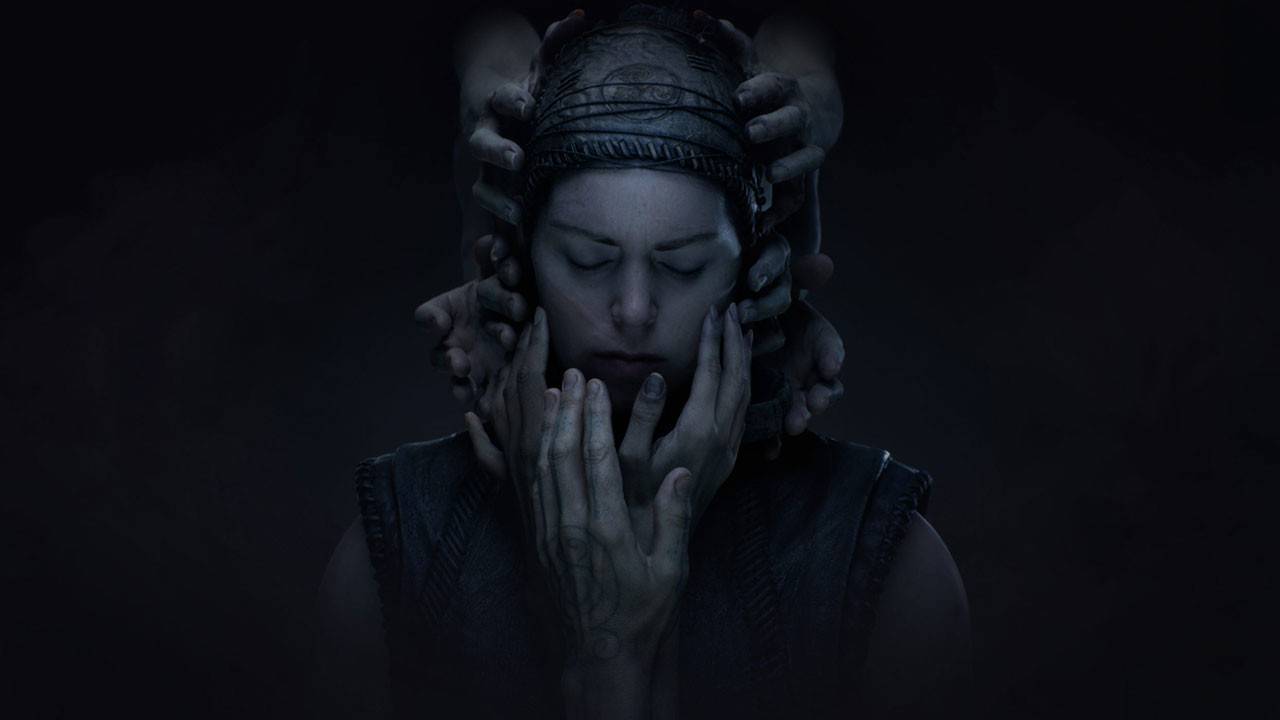
It sounds like the studio is on the verge of a bold evolution in combat design—moving beyond the highly polished but sometimes repetitive setpieces of the Hellblade series toward a more fluid, adaptive, and immersive combat experience. By targeting senior combat system designers with deep expertise in Unreal Engine 5 and boss fight architecture, they’re clearly investing in technical sophistication and creative depth.
Here’s a breakdown of what this shift likely entails—and why it matters:
🔧 Core Design Goals:
- Dynamic, Environment-Responsive Combat: Leveraging UE5’s Nanite and Lumen technologies not just for visuals, but for gameplay. Environmental destruction, interactive terrain, and physics-based object use (e.g., toppling pillars, collapsing bridges) could become core tools in battle.
- Non-Linear, Adaptive Encounters: Moving away from scripted, cinematic sequences to systems where enemies react to player tactics, terrain, and environmental hazards in real time—making every boss fight feel like a unique puzzle or duel.
- Rich Enemy Interaction Systems: Enemies that don’t just follow AI patterns but learn, counter, and exploit player behavior—using cover, flanking, or even manipulating the environment to turn the tide.
- Weapon & Ability Synergy: Encouraging players to experiment with a diverse arsenal (e.g., blunt vs. sharp, magic vs. melee) and abilities that unlock environmental combos—e.g., setting oil slicks on fire mid-combat.
🎮 Inspirational Touchstones:
- Dark Messiah of Might and Magic: Praised for its physics-driven combat, where every fight felt unpredictable due to environmental interaction and player agency. The studio may be aiming for a similar sense of chaos and consequence.
- The Last of Us Part II: For emotional weight and responsive combat, where enemy AI adapts to player movement and tactics.
- Shadow of the Colossus / Demon’s Souls: For the idea that bosses aren’t just tough—they’re architectural challenges, tied to world, myth, and rhythm.
🚀 Why This Matters:
- Elevating the Franchise: If this new system is applied to a Hellblade sequel, it could revolutionize how psychological depth and emotional narrative interact with gameplay—where the combat reflects internal turmoil not just through choreography, but through player choice and environmental consequence.
- Launching a New IP?: If it's a standalone title, this approach positions the studio as a leader in experiential combat—where the player doesn’t just fight, but converses with the world through violence.
💡 Final Thought:
The studio isn’t just building a new combat system—they’re crafting a philosophy of conflict. One where every strike, every explosion, every fall feels intentional, reactive, and uniquely yours. With UE5 as the foundation, and a team of senior designers at the helm, this could be the next leap in how we experience high-stakes, emotionally charged battles in games.
If you’re a combat designer with a passion for environmental storytelling and systemic depth—this might just be the most exciting opportunity in AAA gaming right now.
 Neueste Downloads
 Downlaod




 Top-Nachrichten