

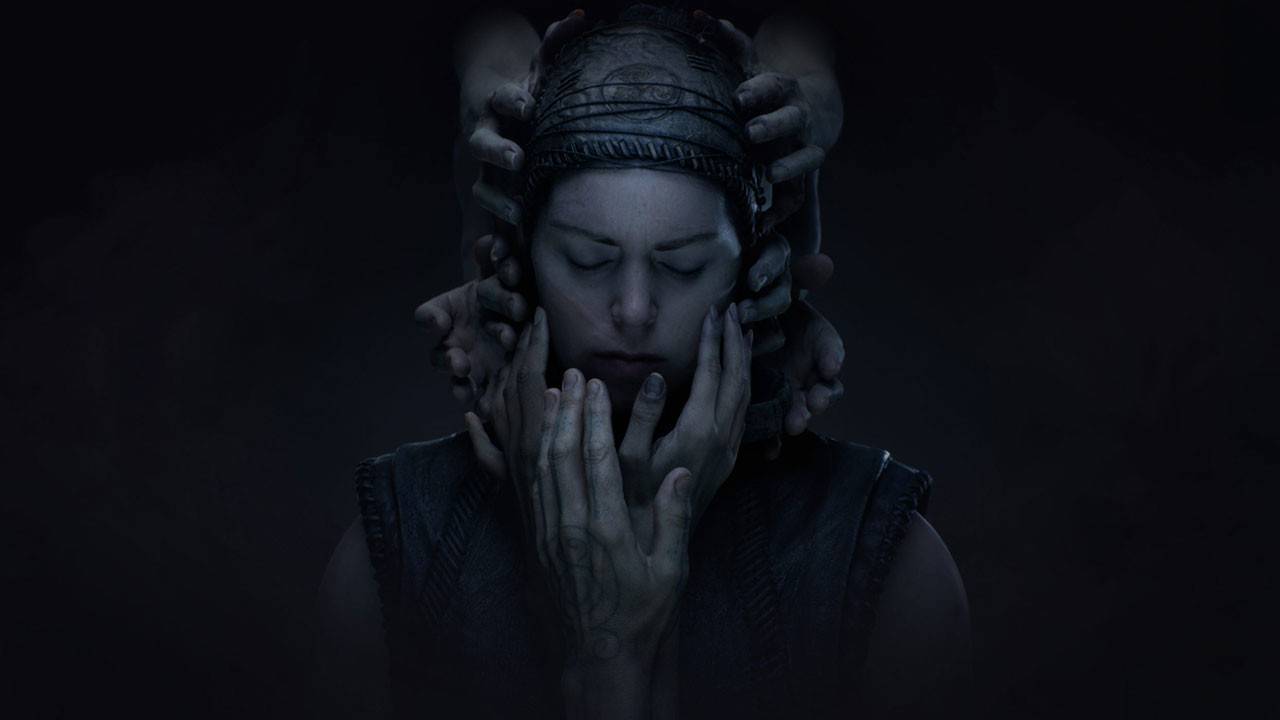
It sounds like the studio is undergoing a significant evolution in its combat design philosophy—moving beyond the highly polished but sometimes formulaic combat of the Hellblade series toward a more organic, emergent, and player-driven combat experience. By hiring senior combat system designers with deep expertise in Unreal Engine 5 and boss fight creation, they’re signaling a strong commitment to technical innovation and narrative-driven gameplay.
Here’s a breakdown of what this shift likely entails and how it might shape the studio’s next project:
🔧 Core Design Goals:
- Dynamic Combat Systems: Leveraging UE5’s Nanite and Lumen for real-time environmental interaction—e.g., collapsing structures, shifting terrain, destructible cover—where combat isn’t just about timing and input, but spatial awareness and environmental mastery.
- Responsive Enemy AI: Enemies that adapt to player tactics, terrain, and weapon choices, using UE5’s MetaHuman and Control Rig systems to enable expressive, reactive animations that sell every impact and counter.
- Unique Encounter Design: Each boss or major enemy isn’t just a stronger version of a previous one, but a thematic and mechanical challenge shaped by the world—inspired by games like Dark Messiah, where environmental puzzles and weapon variety force players to think creatively.
- Player Agency in Combat: Emphasizing player-driven solutions—e.g., using terrain to set traps, combining abilities in unexpected ways, or exploiting enemy weaknesses tied to environmental hazards.
🎮 Inspirations & Innovations:
- Dark Messiah of Might and Magic (2003): A cult classic for its physics-based combat, freedom of movement, and emergent gameplay. The new project may draw from its emphasis on player creativity—like using a thrown crate to stun an enemy or using fire to ignite gas vents mid-battle.
- Elden Ring / Dark Souls (for boss design): While Hellblade leaned into cinematic rhythm, the new direction could adopt the layered challenge and environmental storytelling of FromSoftware’s bosses—where arenas are as much a part of the fight as the enemy.
- Unreal Engine 5’s Capabilities:
- Niagara VFX for dynamic spell and attack effects.
- Animation Blueprints and Behavior Trees for smarter, context-aware enemies.
- Procedural Animation for seamless blending of combat moves based on terrain and player input.
🌍 What’s Next?
Given the studio’s roots in Hellblade—a series built on psychological depth, Norse mythology, and audio-visual storytelling—it’s possible the new project will:
- Stay true to narrative intensity, but through gameplay, not just cutscenes.
- Explore mythic or psychological realms where combat mirrors internal struggle—e.g., a boss that changes form based on player choices or emotional state (using biometric-inspired feedback if possible).
- Possibly integrate adaptive music and sound design (à la Hellblade: Senua’s Saga), where the audio shifts in response to combat momentum and environment.
🔮 Final Thought:
This isn’t just a technical upgrade—it’s a philosophical shift from choreographed spectacle to meaningful, evolving confrontation. The studio is aiming not just to build better bosses, but to create combat as a form of narrative expression, where every clash feels like a story being written in real time.
If successful, this could mark a bold new era—not just for the studio, but for how we experience action games in the next generation.
 Últimas descargas
 Downlaod


 Las noticias más importantes