
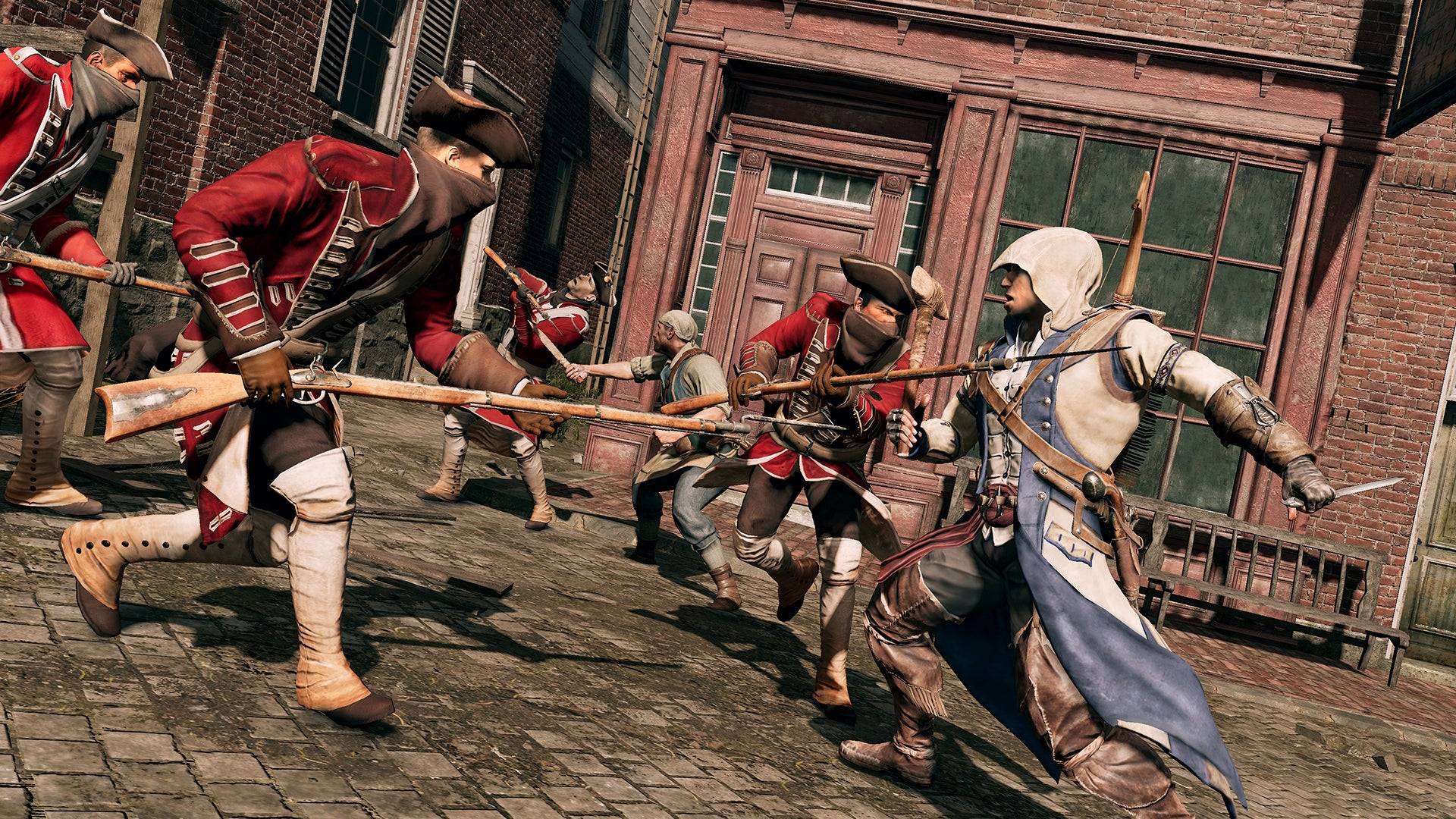
One of the standout moments in the Assassin's Creed series unfolds early in Assassin's Creed 3, as Haytham Kenway assembles his group in the New World. Initially, players assume they’re following assassins, given Haytham’s use of a hidden blade, his charm rivaling that of Ezio Auditore, and his heroic acts like freeing Native Americans and confronting arrogant British soldiers. The twist comes when he utters, “May the Father of Understanding guide us,” revealing he’s a Templar, the series’ sworn enemy.
This clever narrative twist captures the essence of Assassin's Creed’s storytelling potential. The original game introduced a compelling premise—track, understand, and eliminate targets—but its story lacked depth, with Altaïr and his foes feeling one-dimensional. Assassin’s Creed 2 improved by introducing the charismatic Ezio, yet its antagonists, like Cesare Borgia in Brotherhood, remained underdeveloped. Assassin’s Creed 3, set during the American Revolution, marked a turning point. Ubisoft invested equally in crafting complex hunters and targets, creating a seamless blend of gameplay and narrative unmatched in the series since.
While the modern RPG-style Assassin’s Creed games have earned praise, many fans, critics, and online discussions suggest the series has lost its spark. Some blame the shift to fantastical elements, like battling deities such as Anubis or Fenrir. Others criticize the inclusion of diverse romance options or the controversial choice of Yasuke, a historical African samurai, as a protagonist in Assassin’s Creed Shadows. However, the real issue lies in the series’ drift from character-focused storytelling, now overshadowed by expansive, sandbox-style gameplay.
The franchise has evolved from its action-adventure roots, incorporating RPG and live-service features like dialogue choices, XP-based progression, loot systems, and microtransactions. Yet, as the games grow larger, their narratives feel hollow. Side quests like tower-climbing or object-hunting, along with core storytelling, often lack depth.
While games like Assassin’s Creed Odyssey offer more content than Assassin’s Creed 2, their sprawling scripts, designed to accommodate player choices, sacrifice the polish of earlier, linear narratives. The action-adventure era’s focused scripts created vivid, well-defined characters, unburdened by the need to adapt to player-driven moral choices.
The result is a less immersive experience in modern titles. In Odyssey, interactions often feel stilted, reminding players they’re engaging with code rather than lifelike historical figures. In contrast, the Xbox 360/PS3-era games delivered some of gaming’s finest writing, from Ezio’s passionate “Do not follow me, or anyone else!” speech after defeating Savonarola to Haytham’s poignant final words to his son, Connor:
“I won’t beg for forgiveness or ponder what could have been. You understand. Still, I’m proud of you. Your conviction, strength, and courage are noble. I should have ended this long ago.”
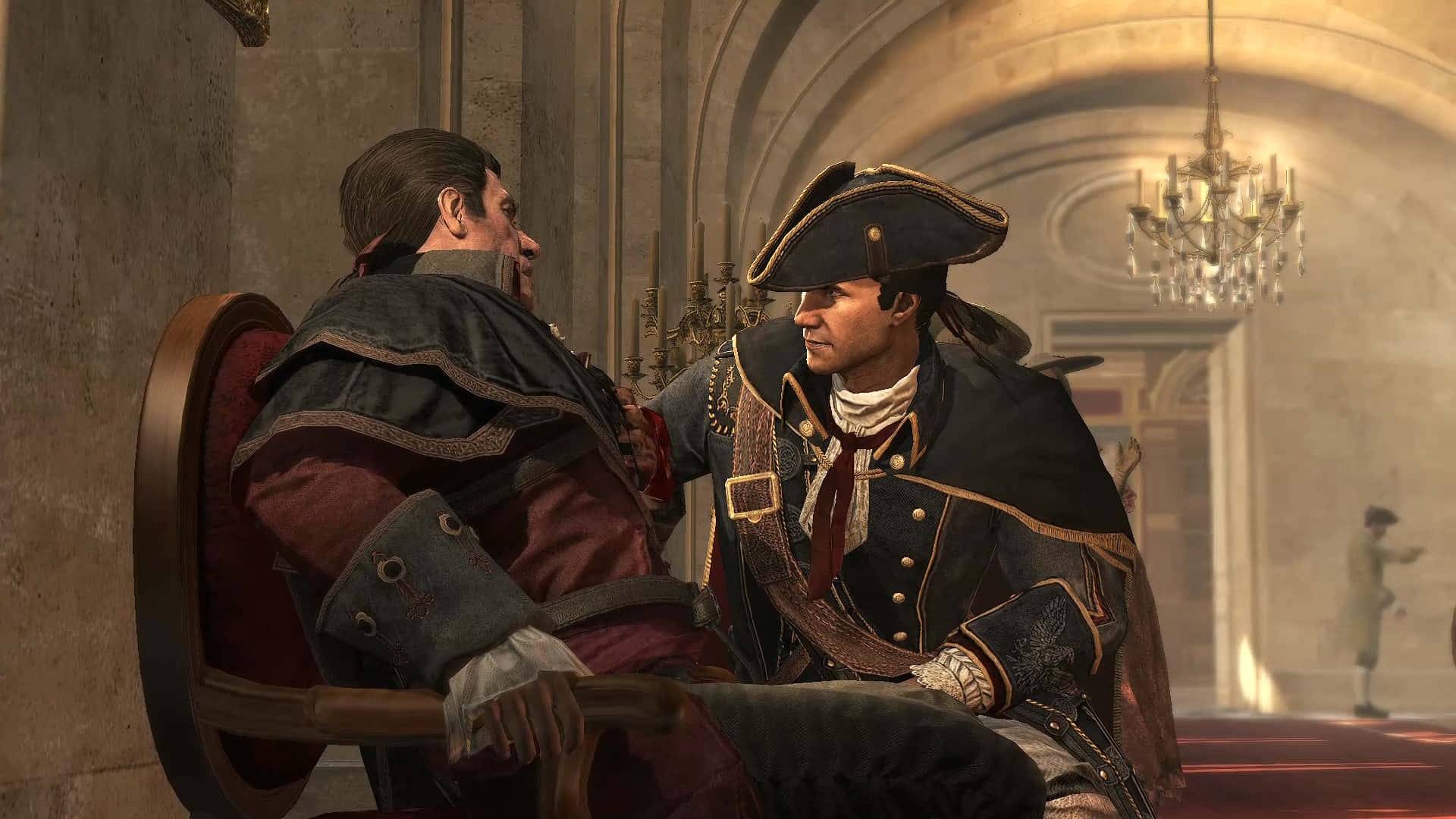
The series’ writing has also lost its moral nuance. Modern games lean on a simplistic Assassins-versus-Templars dichotomy, while earlier titles blurred the lines. In Assassin’s Creed 3, each fallen Templar challenges Connor’s—and the player’s—beliefs. William Johnson claims the Templars could have prevented Native American suffering. Thomas Hickey dismisses the Assassins’ ideals as unattainable. Benjamin Church, a traitor to Haytham, argues morality depends on perspective, with the British seeing themselves as victims. Haytham himself questions Connor’s faith in George Washington, revealing the revolutionary leader, not Templar Charles Lee, ordered the destruction of Connor’s village. This ambiguity enriches the story, leaving players with more questions than answers.
Reflecting on the series’ history, the enduring popularity of “Ezio’s Family,” the iconic track from Jesper Kyd’s Assassin’s Creed 2 score, reveals why the PS3-era games resonate. These titles, especially Assassin’s Creed 2 and 3, prioritized character-driven narratives. The haunting melody of “Ezio’s Family” reflects not just the Renaissance setting but Ezio’s personal loss. While today’s Assassin’s Creed games impress with vast worlds and stunning visuals, I hope the series will one day return to the intimate, crafted stories that defined its golden era. In a gaming landscape dominated by sprawling sandboxes and live-service models, however, such a shift may no longer align with industry trends.
 Latest Downloads
 Downlaod




 Top News